Bigger wheels
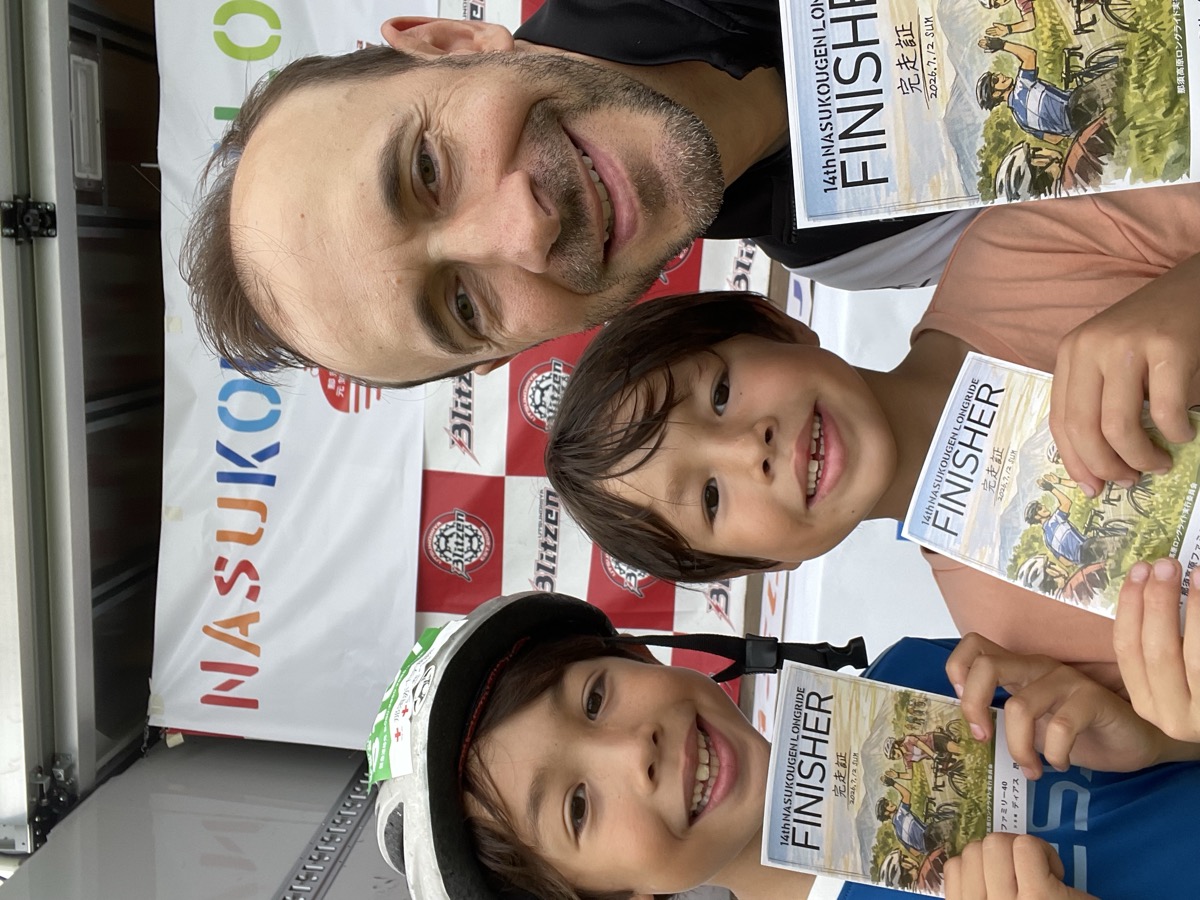
Last Sunday my two older sons, nine and six, rode the Nasukougen Longride with me. The family course is 40 kilometers with about 400 meters of climbing. That's a real ride for little legs, so in the weeks before we built up with 10-kilometer practice runs.
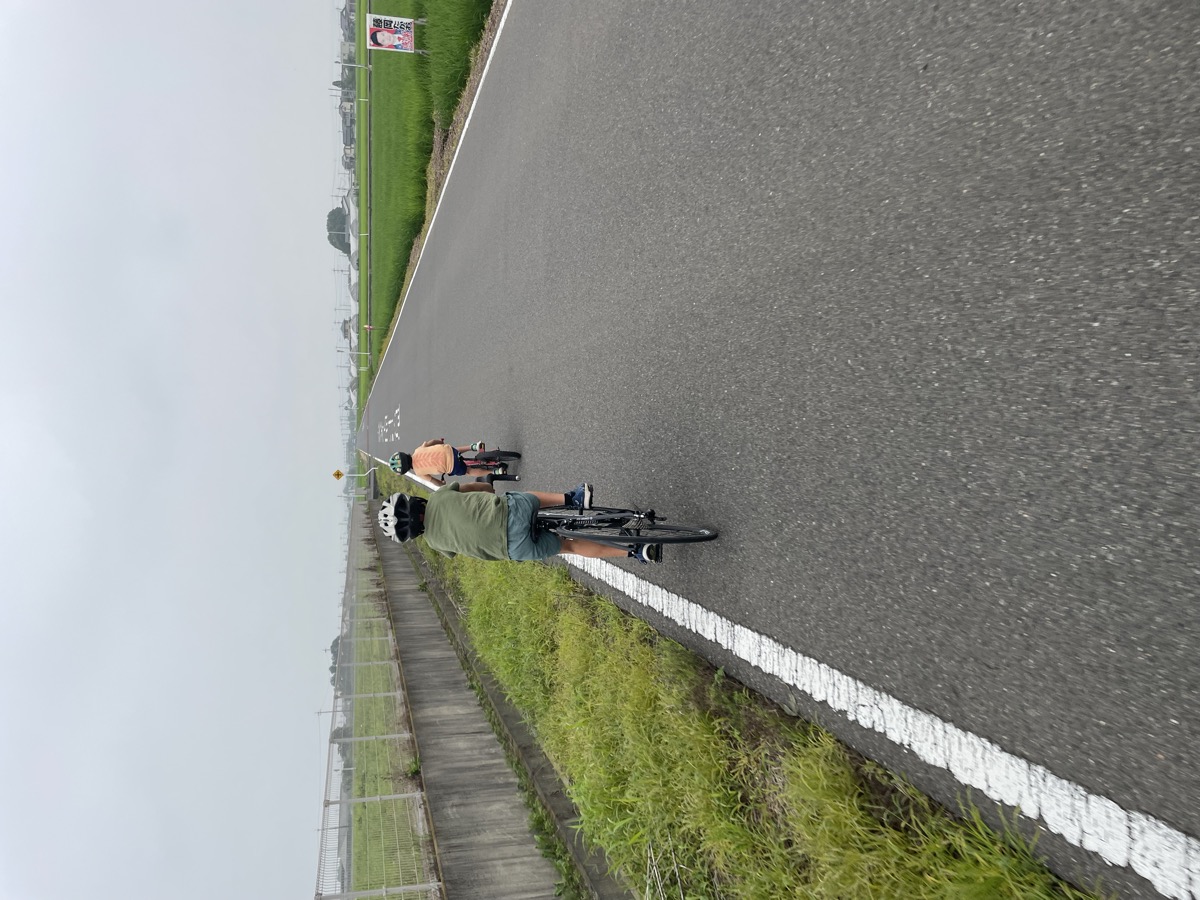
I wasn't worried about my nine-year-old. He's tall, he recently got a new bike, and he settles into a pace and holds it.
My six-year-old is the athlete of the family, a ball of energy. But I knew his bike would be a problem. His wheels measure 40 centimeters across, and on our practice rides his legs were spinning ten times faster than ours while he went half our speed. Every one of those furious rotations carried him about a meter and a quarter.
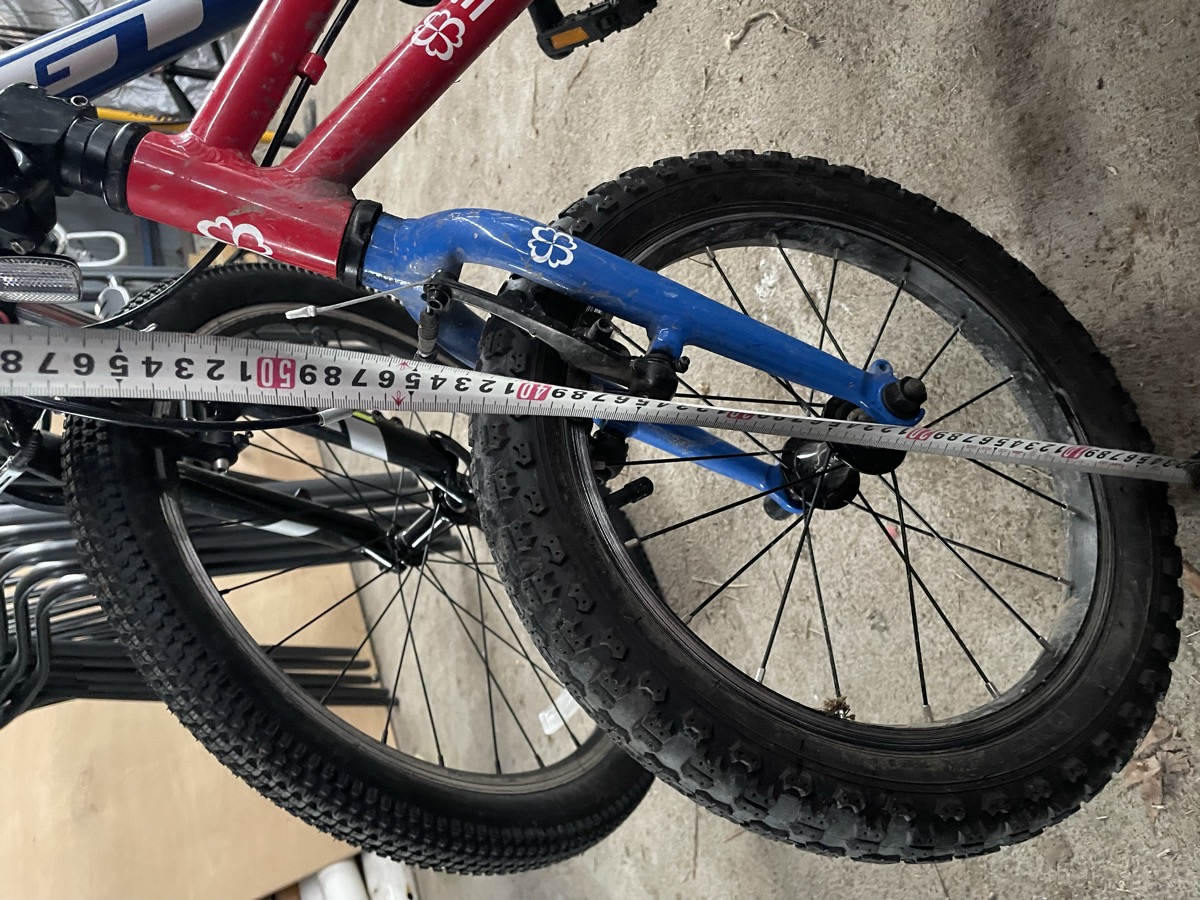
His brother's old bike was still in the garage, with 65-centimeter wheels. It's a big step up for a six-year-old. He couldn't get it started on his own; someone had to hold the seat and give him a push. But once he was rolling, he flew.
Same kid, same energy. On the small bike, I figure the 40 kilometers would have taken us six hours. On the big one, it took about three and a half.
One of the harsher lessons of work is that effort and outcomes are only loosely connected. Hard pedaling matters, but what you're pedaling matters more. When the bigger bike is available, take the push and use it, even if you can't start it on your own yet.