Bombed
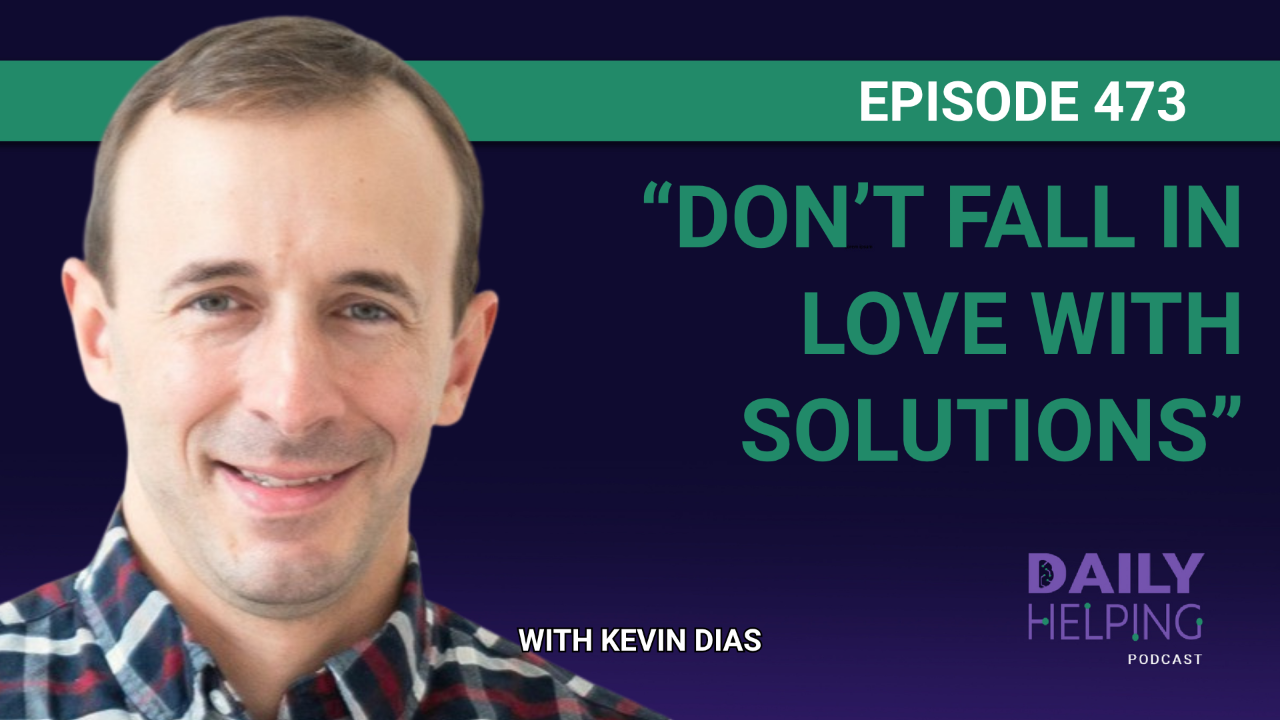
The second podcast interview I ever did for The Problem-First Method was recorded late at night, Japan time. The first had been the day before. I was a wreck going into that one, and then it went pretty well. Better than I had any right to expect.
Which, looking back, is probably where the trouble started. I walked into round two with my guard down.
I'm also an early bird. My best thinking happens before 7am, and by late evening my brain is mostly a screensaver. So there I was, loose from the day before and running on fumes, giving the kind of answers where you can hear yourself reaching for a word and grabbing the one sitting next to it.
When we hung up, I was certain I had bombed it. I wanted to go hide. I drafted the email in my head, the one asking the host to bury the episode a thousand feet below the sea. I was ready to swear off podcasts entirely, two interviews into my podcasting career.
I never sent the email. A few months passed. I recorded more interviews, some of them came out, and the sky stayed where it was. Then this one was released, episode 473 of The Daily Helping with Dr. Richard Shuster, and I nervously opened the transcript to see how bad it really was.
It wasn't. There are answers I would love a redo on, sure. But the disaster I had been replaying in my head for months wasn't on the page. What was on the page was a normal conversation, with a generous host, about a topic I care about.
We grade ourselves in the moment, tired, on our worst thirty seconds. Everyone else just hears a conversation. The gap between those two things turned out to be enormous, and it almost cost me every interview that came after.
So the episode is out now, show notes and all. I'd encourage you not to listen to it, though. Just in case. And if you do anyway, well, any press is good press. Or so I keep telling myself.