Disdain
I have a particular disdain for scammers.
There is one currently going around that targets authors, especially first-time or smaller authors who are trying to get more visibility for their books.
Here's how it works:
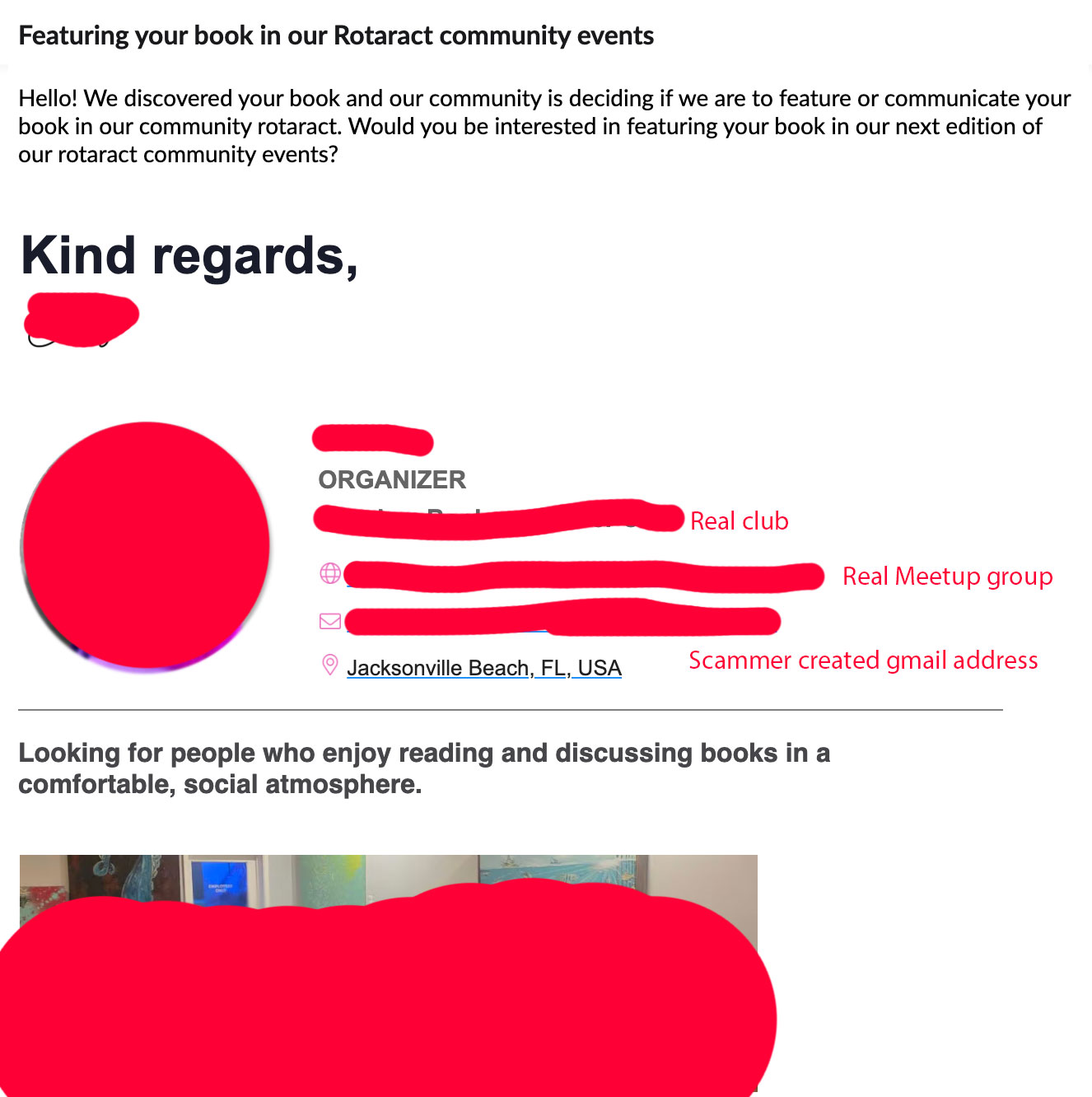
1) They find a real book club or active meetup with good reviews. The club itself is legitimate.
2) They create a Gmail address using that book club's name.
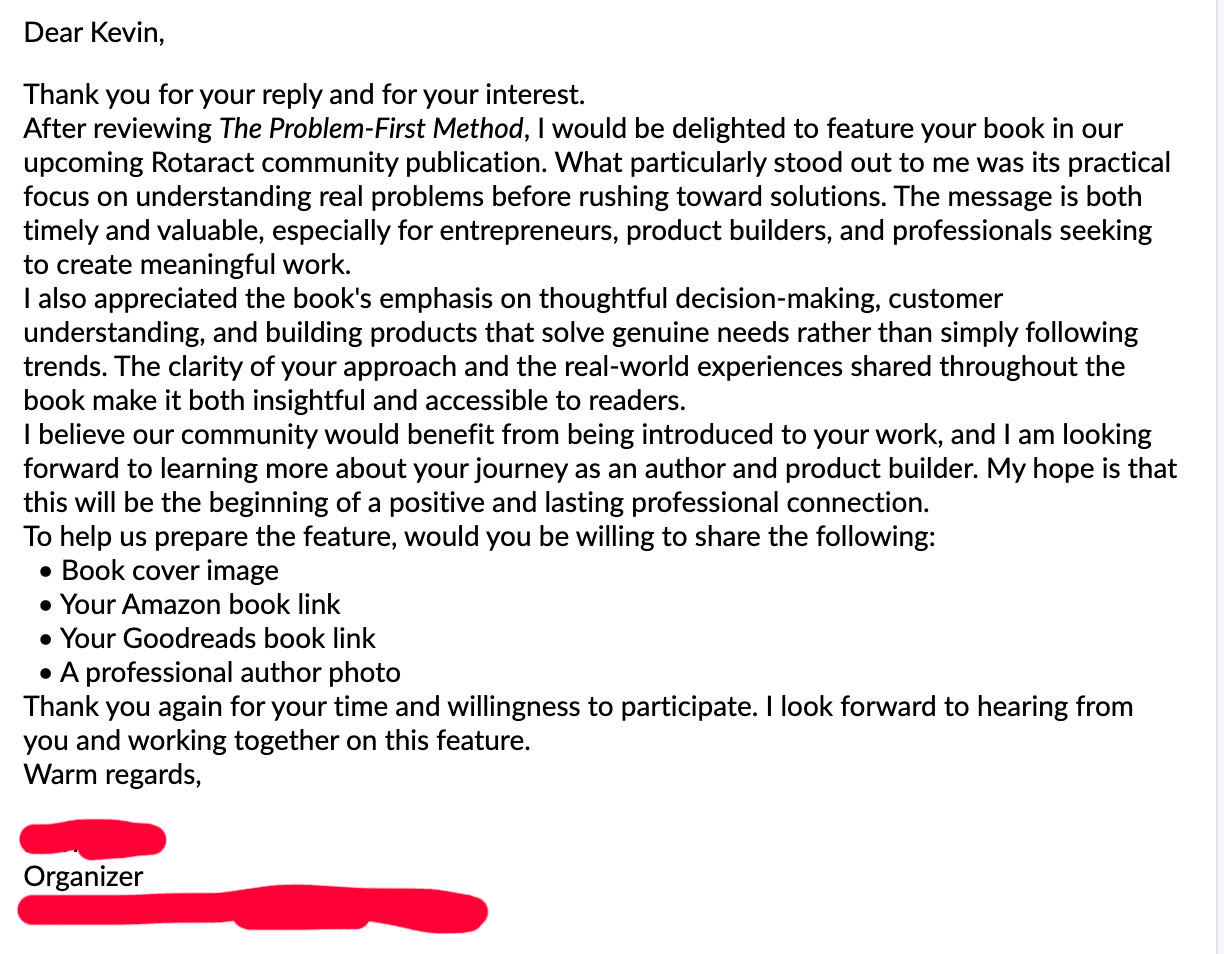
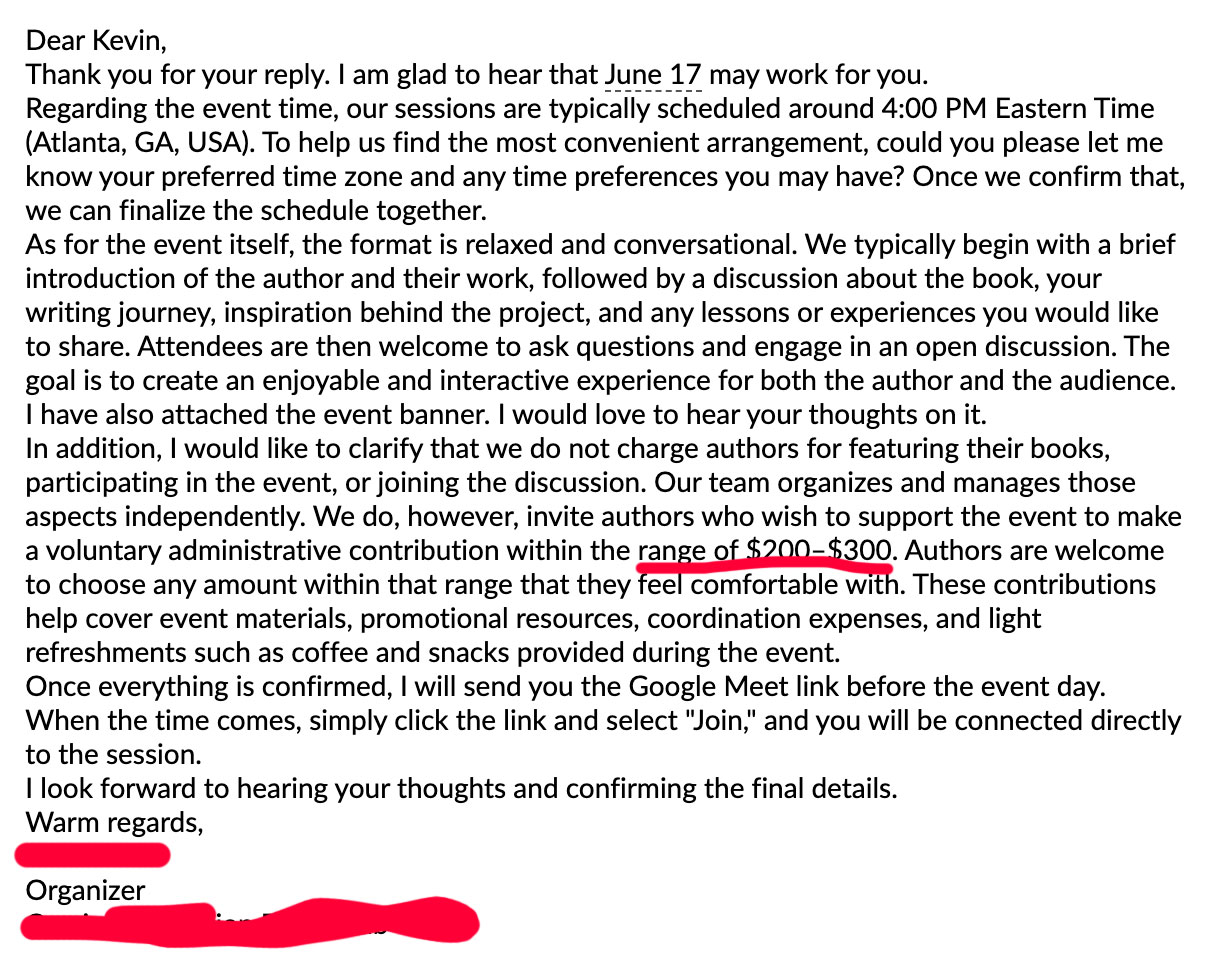
3) They email the author saying they're from the club and may be interested in featuring the author's book at an upcoming event.
4) If the author shows interest, they start discussing dates. Newer and lesser-known authors are especially vulnerable because they're often hustling for any kind of publicity, visibility, or awareness they can get.
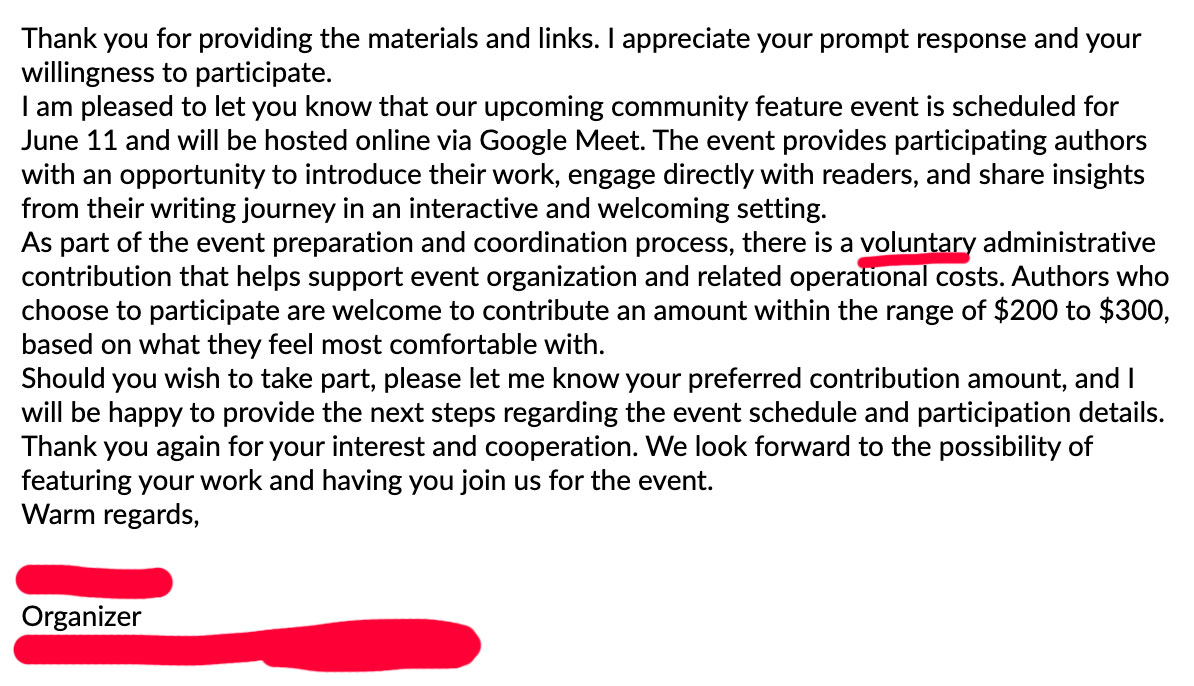
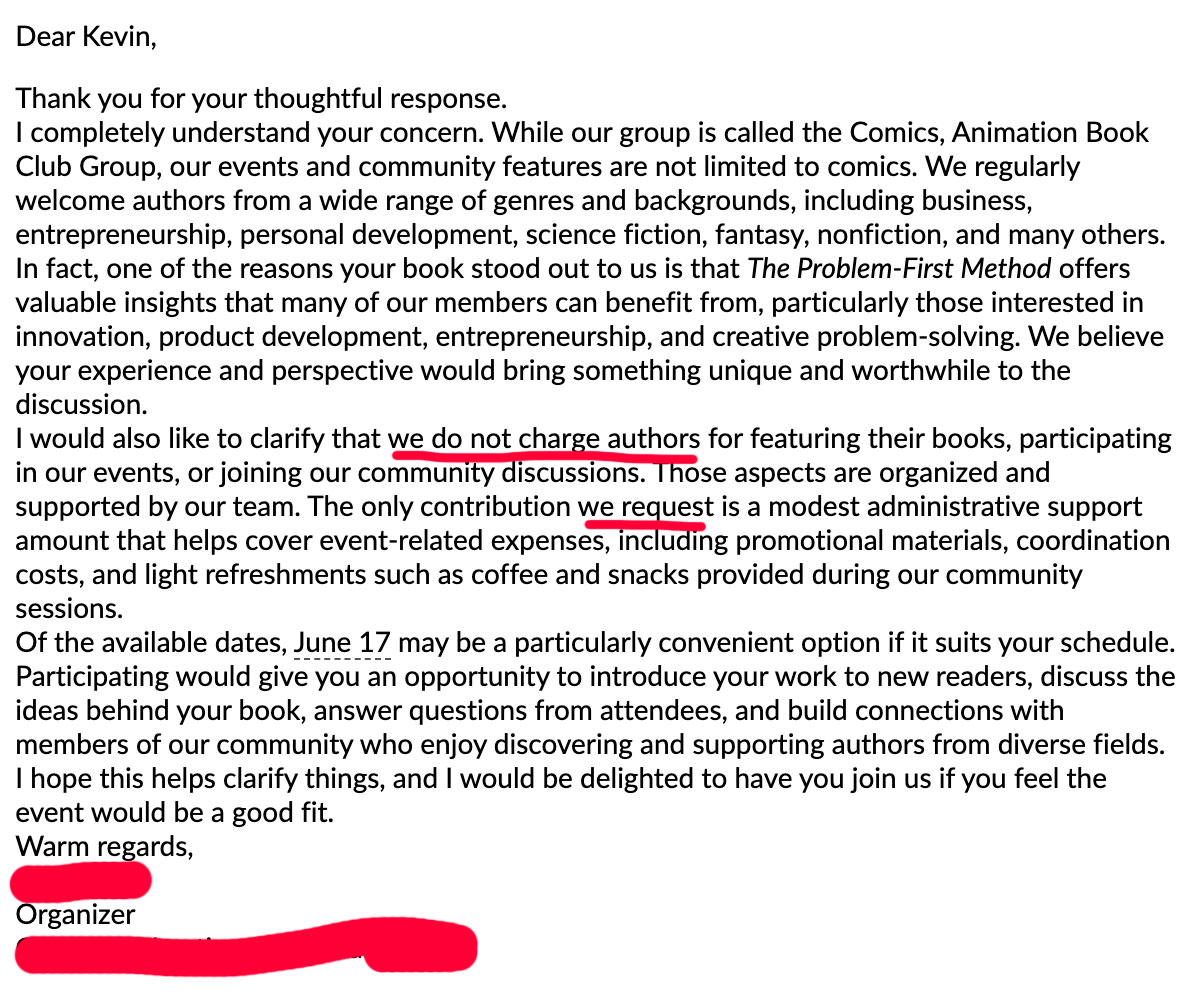
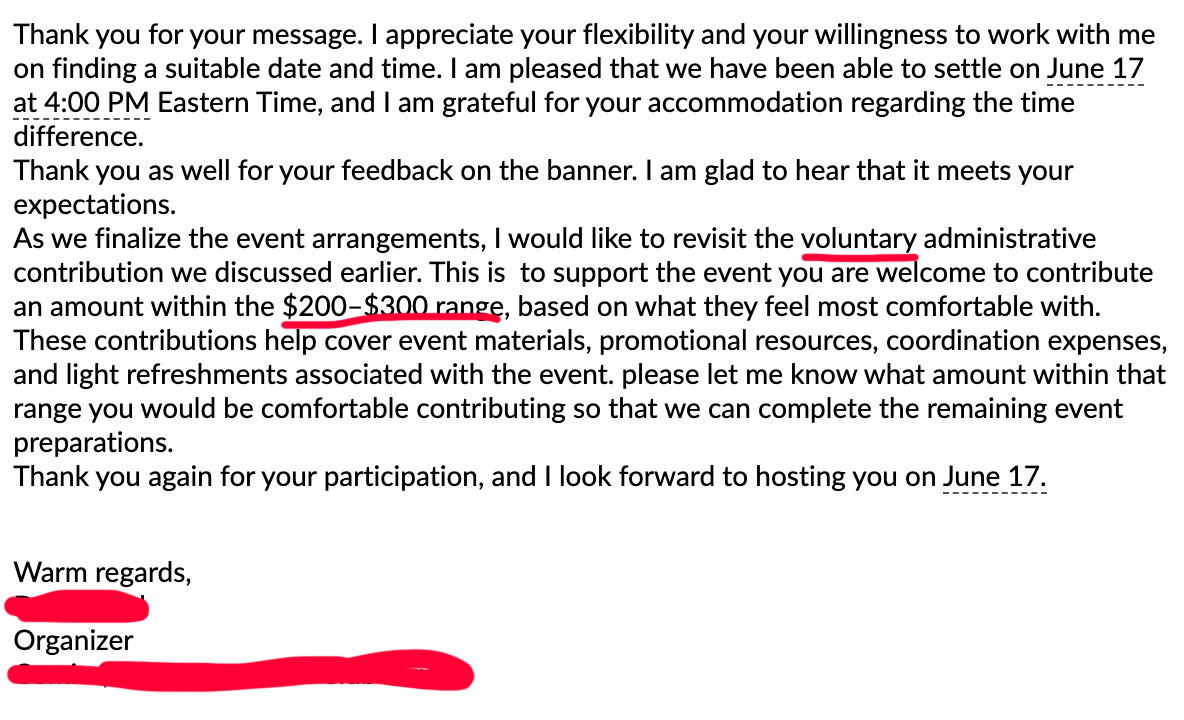
5) Then, before any real calendar invite appears, there's suddenly a "voluntary contribution" for event planning, coordination, promotion, etc.
6) And somehow that "voluntary" contribution becomes the thing standing between you and the event.
7) Then comes the big red flag: PayPal Friends and Family, sent to some random person.
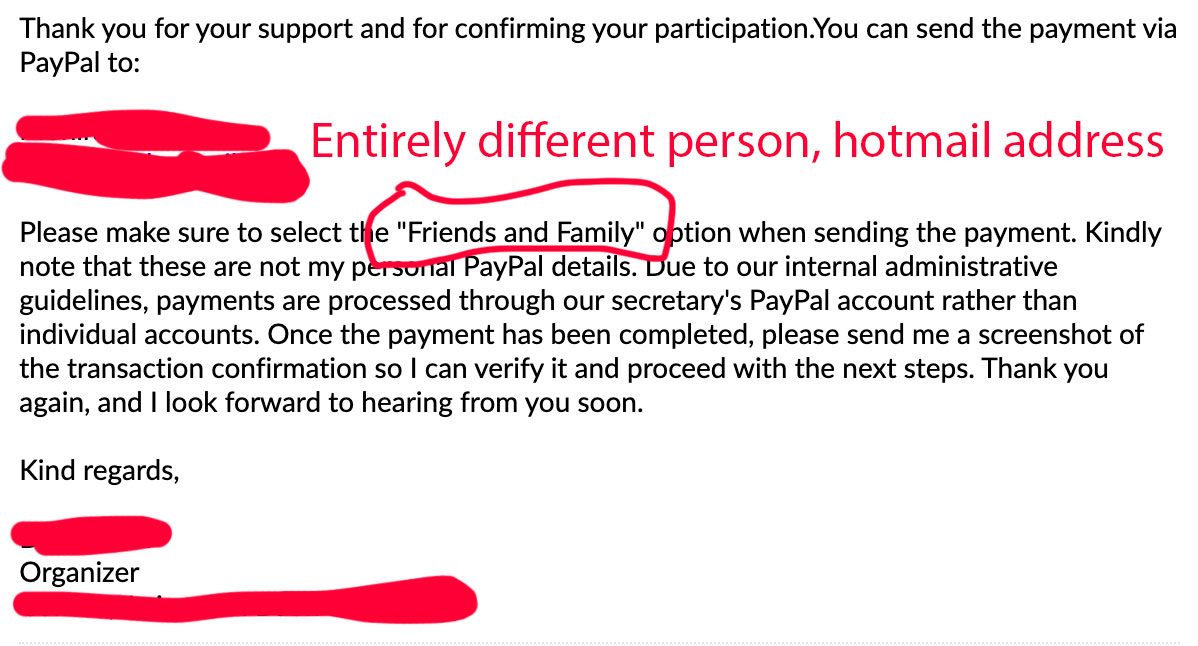
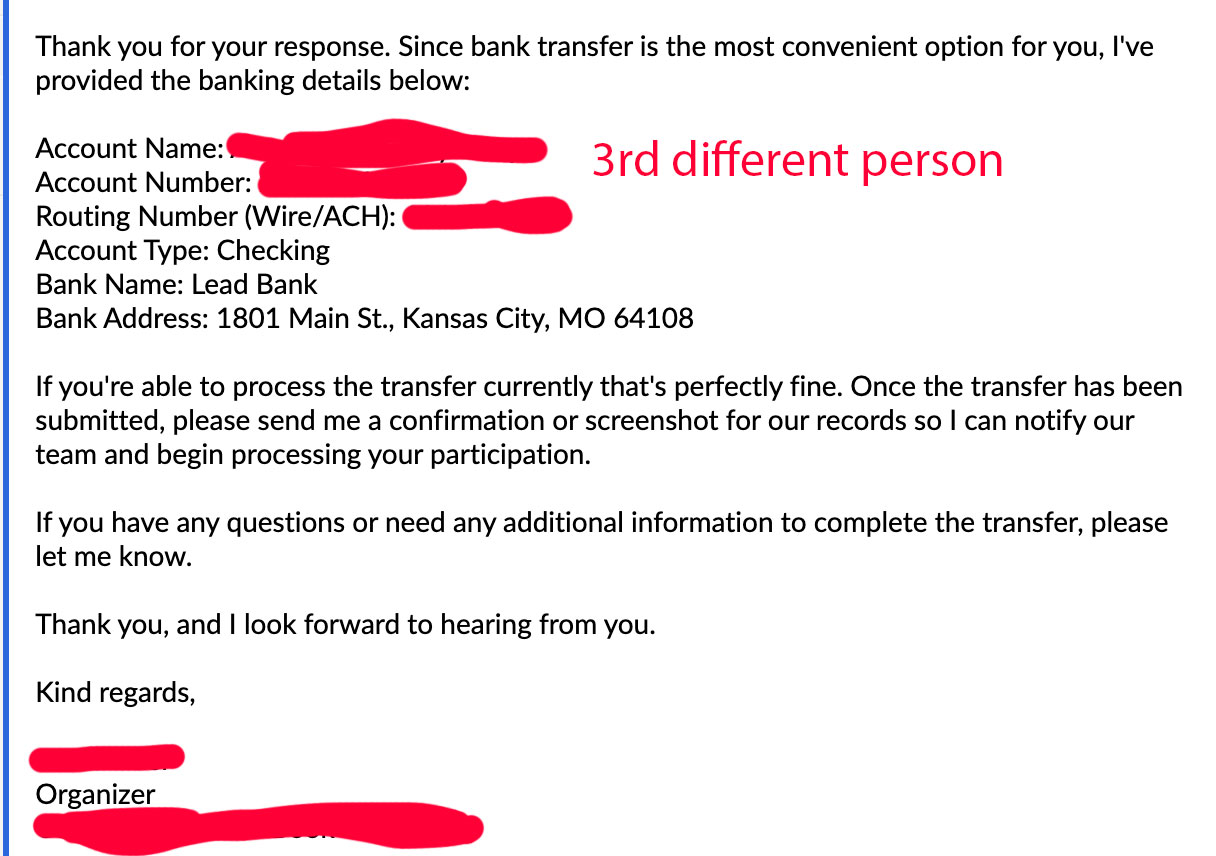
That last step is an obvious red flag, but I can see how someone could fall for it. By that point, the author may already feel invested. They may have cleared their schedule, started preparing, and gotten excited about finally having someone show interest in their book.
That's exactly what makes it gross.
Be careful out there.
And if you're a scammer: rethink your life. The same skills you're using to manipulate people could be used for legitimate marketing, outreach, or sales without stealing from anyone.
If you run a real book club and are not a scammer, I'd be happy to provide complimentary copies of my book for your club. Just reach out.
P.S. I did not send this person any money, but I can absolutely see how authors could. I've reported it to PayPal and the bank.