Seeing past today
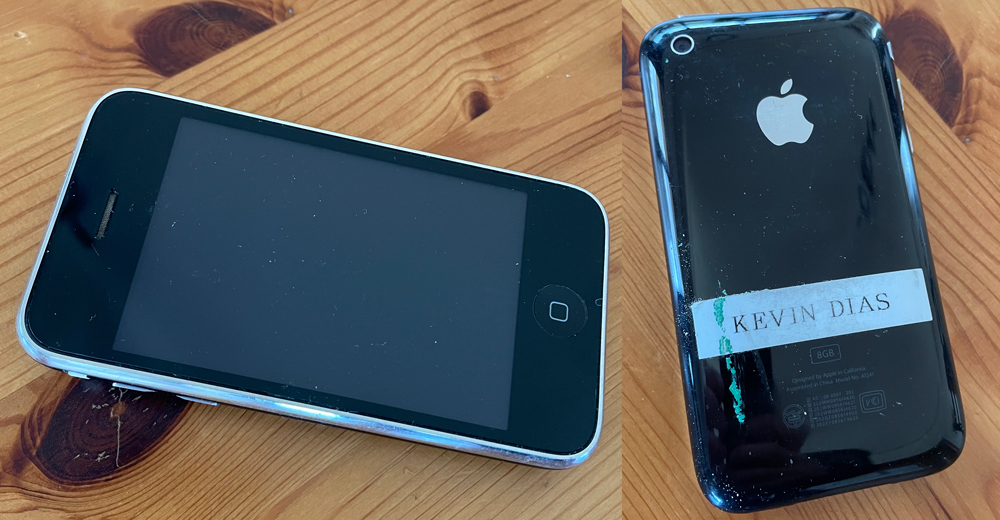
"The iPhone will never take off in Japan."
It was 2008. I was teaching English to adults in Tokyo. One evening, I asked my class what they thought about Apple's new phone.
Not one.
Not two.
Not three.
Every single student said they'd never buy one. No mobile wallet. No emoji. No infrared for swapping contacts. No TV tuner. No removable battery. Kanji entry? Completely different.
Tech writers called it a "toy."
The touchscreen was expected to fail culturally. Japanese users loved physical buttons. Flip phones. One-handed texting with tactile keys while hanging onto a train strap.
At the time, people called Japan's mobile market the "Galápagos Islands" of tech, so advanced and isolated that it had evolved its own species of phone. Features years ahead of the West. Surely no outsider could compete.
Fast forward. The iPhone didn't just succeed in Japan. It dominated. Today Japan has one of the highest iPhone market shares in the world.
There were a lot of ways the iPhone could have failed. But even in 2008, if you looked past the missing features, you could see something else: a vision of what mobile could become.
Not what it was. What it could be.
I think about this when I see people dismiss new technology because version 1.0 can't do X, Y, or Z.
They're not wrong. The gaps are real.
But the biggest companies and products rarely won because their first version was perfect. They won because even the rough version revealed a future that made the present feel suddenly obsolete.
The question isn't "what can't it do today?"
It's "what does this make possible tomorrow?"